


How the Gut Health Boom Is Reshaping Agriculture
By Beth Rush, Managing Editor, Mind+Body, Exclusive Contributed Content for WIA
The ongoing gut revolution is transforming the food industry and agriculture. Shifting consumer priorities present a pivotal opportunity for women in agribusiness, providing opportunities to drive innovation and shape more resilient food systems. Women leaders are already at the forefront of this transformation, setting the standard for progress. Here are some things women leaders need to know about, along with examples of how visionary leaders are paving the way.
The Soil-to-Gut Connection
The importance of soil health cannot be overstated. Its biodiversity is essential for various life processes[1], such as immunity, nutrient cycling and stress resilience. Soil health and human health form an interconnected system in which the soil’s vitality dictates the nutrient density of food and gut health.

However, many farming practices have degraded soil health. For instance, traditional tillage disrupts soil organic carbon accumulation and mineralization. Globally, these practices lead to approximately 24 billion tons[2] of fertile soil being lost each year. Without urgent action, over 90% of the Earth’s land could be degraded by 2050. Yet by embracing sustainable practices and working together, the agribusiness industry can restore the planet’s vitality and create a legacy of renewal for future generations.
The Rising Demand for Better Gut Health
The gut health industry is on the rise, with sales of gut-friendly drinks and functional foods gaining more popularity. According to senior research associate of Markets and Markets, Shrutika Davari, consumers are willing to pay higher prices[3] for products with health-promoting ingredients.
“The category is gradually transitioning from a rapid growth phase to a more stable expansion stage. Products such as probiotic yogurt and fermented dairy have already achieved high consumer penetration in many markets, which naturally moderates growth rates over time,” she said.
The shift toward gut-friendly products is driven by a bigger movement. People have historically chosen low-cost[4], convenient food products. However, modern consumers have greater health awareness, moving away from processed foods. Major brands are losing share mostly to smaller companies and in categories such as cereal bars, where these food options are marketed to be “better for you”.
This trend is creating new, high-value markets. It opens opportunities for agribusinesses to differentiate themselves through crop diversification, such as ancient grains or polyphenol-rich produce, and through transparent, sustainable practices that consumers are willing to pay a premium for.
How Women Are Forging the Path Forward
More than a consumer trend, the gut revolution is a major shift creating new frontiers in agriculture. The maturing of the gut-health market is the start of a new era. As people gain greater health awareness and become more proactive consumers, brands must move beyond simplistic gut-health cues and lead with science-driven benefits.
Scientists and Researchers
Scientists are crucial for translating the potential of a harvest into safe, stable and desirable products. These professionals represent the critical scientific research happening at the intersection of agriculture and microbiology.
UC San Diego researcher Kristin Barbour established the Soil Health Center[5] at Scripps Institution of Oceanography to develop a probiotic to boost soil microbes, helping plants grow healthier and stronger.
“For microbes, it’s a lot harder because we can’t actually see them. We have to go through kind of a longer process where we extract the DNA to actually understand who’s there, what their abundance is within that community, and what they’re actually doing,” she shared.
Entrepreneurs
Entrepreneurs also play a huge role in meeting the demands of the sudden gut health boom. For instance, CEO and co-founder of FoodHealth Company Samantha Citro Alexander built her nutrition company to turn her struggle with digestive health[6] into a mission-driven business. Her company uses a data-driven nutrition scoring system to help people make healthier choices.
"The intention is to help people prevent and manage chronic disease. The best way to do that is to eat a diet that is rich in fruits, vegetables, legumes, lean proteins, high fiber and healthy fats," she said.
Farmers
Regenerative farmers and growers play a pivotal role in the gut health boom by transitioning from traditional, chemical-intensive agriculture to practices that promote soil health. These professionals prioritize the soil-to-gut connection, cultivating nutrient-rich crops and livestock that support a healthy gut microbiota.
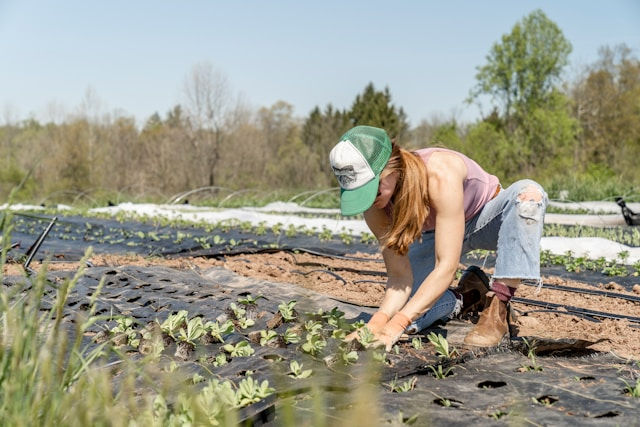
Agronomist Gema Hacha is leading the transition to regenerative practices[7] on her family’s coffee farm in Moyobamba, Peru. She is an ideal example of a steward of the land who actively implements farming practices to restore soil health. She also encourages women to take on new roles in the coffee sector.
“Coffee is a beautiful industry. Each farm has its unique coffee, and there is a buyer for every type. With knowledge and an open mind, we will continue to grow,” she noted.
How Does Egg Production Impact Sustainability?
The shift toward regenerative agriculture extends beyond crops to livestock systems. Pasture-raised egg production exemplifies how animal agriculture can support soil health rather than degrade it. When chickens are raised on rotational pastures, they contribute to nutrient cycling, pest management and soil fertilization—creating a closed-loop system that enhances biodiversity while producing nutrient-dense eggs that support gut health.
Companies like Sauder's Eggs demonstrate this connection through their network of family farms. Several farms in their network have joined sustainability initiatives, like Handsome Brook Farms' Climate-Smart Organic Egg Project, which provides funding and support to adopt practices that reduce greenhouse gas emissions and improve soil health. The project encourages solar panel installation, energy-efficient lighting and improved pasture management systems that contribute to a healthier environment.
"We believe we can make a positive impact, one task and decision at a time[8]," the company states on its sustainability page. "As technology advances, we continually seek ways to protect our environment through mindful practices."
This demonstrates how the gut health boom is driving innovation across all sectors of agriculture, from field crops to livestock systems that prioritize both environmental stewardship and nutritional quality.
Actionable Strategies for Modern Agribusiness
Aside from regenerative agriculture, there are many ways for modern agribusinesses to meet the rising demand for gut-friendly food options:
Developing functional crops and ingredients: Increasing the production of prebiotic-rich crops can help boost gut health. This can appeal to those taking part or interested in the “fibermaxxing” trend, which encourages people to boost[9] their fiber intake.
Partnering with other professionals: The future of food requires collaboration. This is the perfect time to bring together the expertise of scientists, entrepreneurs and farmers.
Prioritizing consumer education: Transparency wins in a market where consumers are skeptical. Using technology such as QR codes or web content to showcase the journey from farm to product can help build a foundation of trust and brand loyalty.
Creating a Healthier Future for People
The connection between soil health and gut health is shaping future agricultural strategy and driving consumer demand. Women in agribusiness must unite their expertise and vision to lead this transformation. Soon enough, the industry can meet the rising demand for gut health and create a healthier future for future generations.
ENDNOTES:
[1] Moya, Simone et al. "The Impact of Soil Microbiome on Human Gut Health: Recent Advances and Future Perspectives." Frontiers in Microbiology, 2024.
[2] Pearson, Emily & Wang, Li. "Regenerative Agriculture and Microbiome Synergy: Pathways to Resilient Food Systems." Environmental Research, 2025.
[3] "Gut Health Trend Enters New Growth Phase." FoodNavigator, March 20, 2026.
[4] Eichorn, Ben & Bhar, Priya. "CPG Companies Need a New Recipe as Consumers Seek Healthier Choices." Boston Consulting Group Publications, 2025.
[5] Emerson, Emily. "To Restore Soil, UCSD Scientists Are Experimenting With Probiotics for Plants." KPBS, March 24, 2026.
[6] Adams, Jennifer. "After Years of Stomach Pain, CEO Rebuilt Her Gut—and Her Career." AOL News, 2026.
[7] "A New Generation of Farmers: Youth Transforming Peru’s Rural Landscape." TechnoServe Blog, 2026.
[8] "Sustainability." Sauder's Eggs.
[9] Brodsky, Seth. "Is Fibermaxxing the Next Sound Nutrition Trend?" UCLA Health, 2026.

ABOUT BETH RUSH
Beth Rush is a food journalist specializing in functional ingredients, food-as-medicine, and women's health. Her work has appeared in Health, EatingWell, The Food Institute, and BenefitsPro. Connect with her on LinkedIn.


